Blackjack's Digital Transformation: Tracing the Move to Algorithm-Powered Play in UK Casinos
Petra Russell · Aug 21, 2026
Blackjack's Digital Transformation: Tracing the Move to Algorithm-Powered Play in UK Casinos
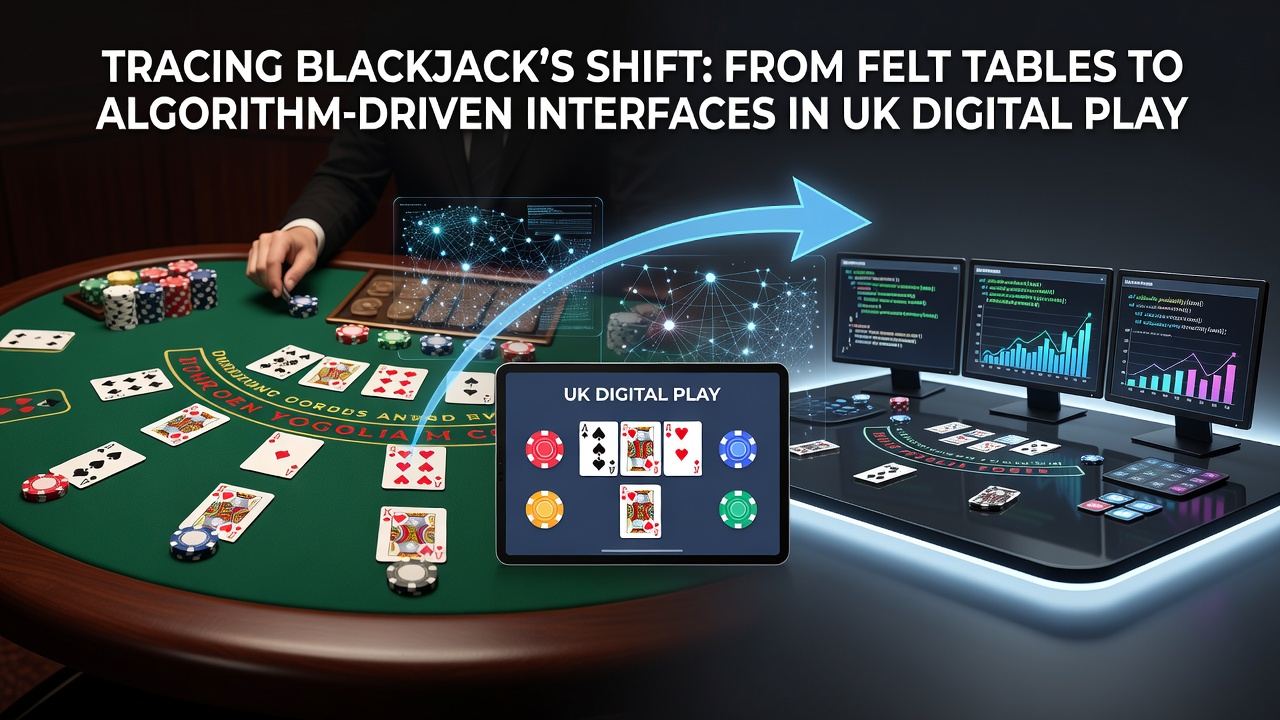
Blackjack arrived in UK gaming venues through physical tables covered in green felt, where dealers managed cards by hand and players relied on visible shuffles along with house rules posted on signs. Data from industry reports shows that these setups dominated until the mid-1990s when regulatory changes opened doors for remote gaming operators to introduce electronic versions. Those early digital adaptations used random number generators to simulate card draws, which removed the need for physical decks while maintaining core mechanics like hitting, standing, and splitting pairs.
Early Digital Adaptations and Rule Standardization
Operators in the late 1990s began licensing software that replicated standard blackjack payouts at 3:2 for natural hands, yet many platforms adjusted deck penetration and reshuffle points to fit server-based processing speeds. Research from academic gaming studies indicates that by 2005 the proportion of algorithm-based blackjack sessions had risen steadily as broadband access expanded across households. Players encountered interfaces that displayed running counts in optional training modes, although real-money tables enforced strict separation between practice tools and live wagers.
Further refinements arrived when developers integrated multiple deck configurations directly into the code base, allowing sites to offer single-deck variants alongside six-deck shoe simulations without requiring additional hardware. Figures from European gaming association summaries reveal that algorithm-driven tables handled thousands of hands per hour compared with the average 60 to 80 rounds managed by human dealers at felt surfaces. This throughput difference prompted operators to adjust minimum bet thresholds and session time limits to balance server load with player engagement patterns.
Live Dealer Integration and Hybrid Models
Live dealer studios emerged around 2010 and combined physical cards with video streams, yet many UK-facing platforms retained separate RNG sections for players seeking uninterrupted speed. Observers note that these hybrid offerings let users switch between algorithm interfaces and streamed tables within the same account, which data from platform analytics showed increased retention across different time zones. August 2026 brought updates to cross-border streaming standards that affected how operators synchronized dealer actions with remote RNG backups during peak evening hours.
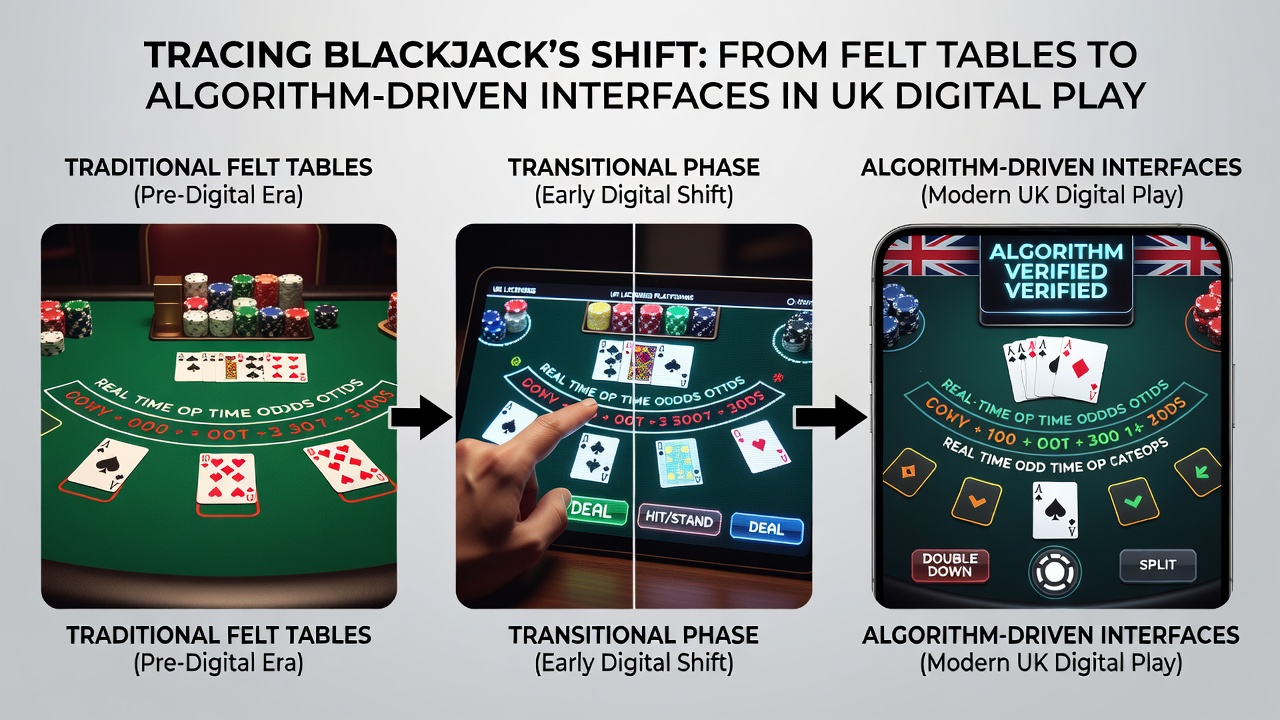
Algorithm refinements continued as developers incorporated composition-dependent strategy engines that adjusted recommendations based on remaining card distributions calculated in real time. University-linked research papers on probability modeling document how these engines reduced deviation rates from optimal play when compared with static charts printed for physical tables. Mobile optimization followed, compressing decision buttons and bet sliders into portrait layouts that preserved full rule sets without forcing landscape rotation.
Payment and Interface Speed Factors
Instant deposit systems linked to algorithm tables enabled continuous hand sequences that physical venues could never match, and transaction logs from payment processors indicate average session lengths extended notably once funding cleared in under ten seconds. Those who track interface design point out that loading animations for card reveals were shortened to under 300 milliseconds, which aligned with player preference data collected through in-app surveys. External providers such as the American Gaming Association have published comparative reports showing similar acceleration trends in other regulated markets.
Security layers around RNG certification require periodic audits by independent testing labs that verify output distributions match theoretical probabilities across millions of simulated hands. Canadian regulatory summaries highlight how these audits now include source code reviews for any machine-learning tweaks that might influence card sequencing logic. UK platforms adopted parallel verification steps to maintain consistency across desktop and smartphone versions of the same game.
Conclusion
The progression from felt-covered tables to algorithm-driven interfaces reflects broader changes in how blackjack reaches players, with each technological layer building on measurable performance metrics rather than subjective preference. Regulatory updates in August 2026 reinforced requirements for transparent RNG reporting, while industry groups like the European Gaming and Betting Association continue to track adoption rates across member states. These developments keep the focus on verifiable mechanics that define the current landscape of digital blackjack in the UK.