Currency Exchange Volatility Reshaping Blackjack Approaches in Multinational Play
Petra Russell · Aug 19, 2026
Currency Exchange Volatility Reshaping Blackjack Approaches in Multinational Play
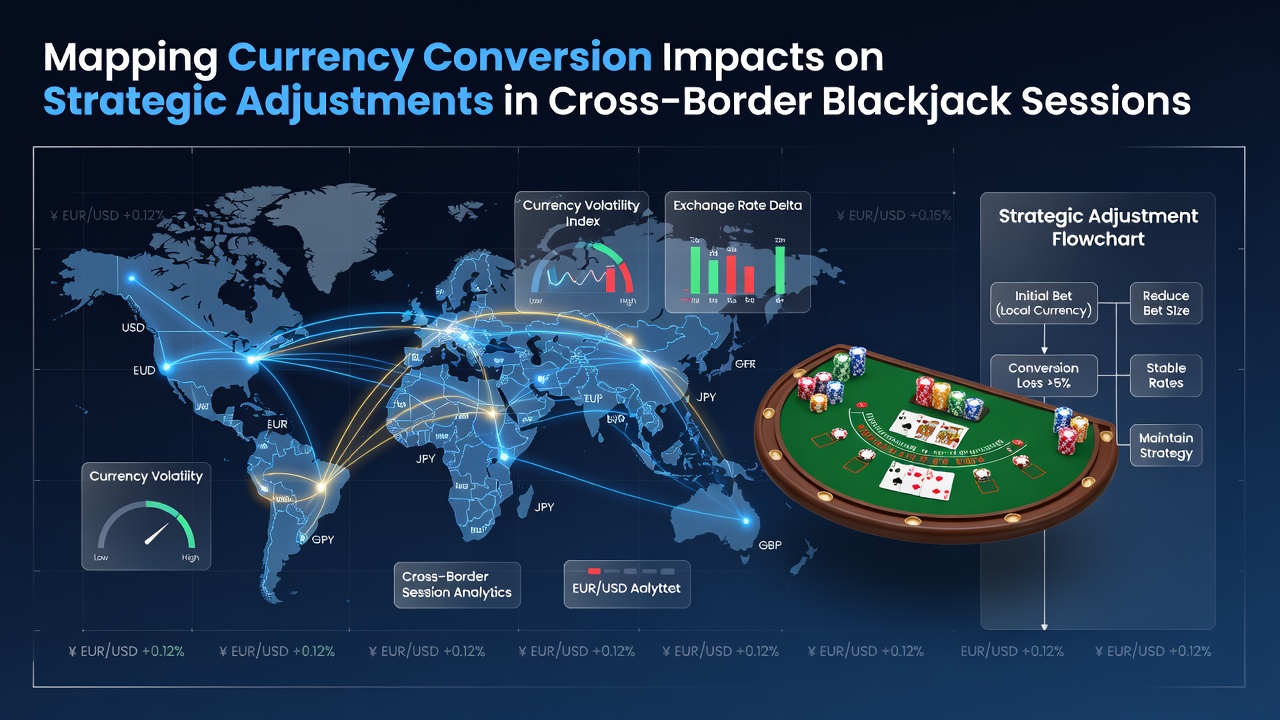
Players engaging in cross-border blackjack sessions encounter currency conversion factors that directly influence bet sizing, session length, and overall risk exposure. Exchange rate fluctuations create measurable shifts in the effective value of wagers when funds move between currencies such as euros, US dollars, and pounds sterling. Data from industry tracking services indicate that average conversion fees range between 1.5 and 3.8 percent depending on the payment processor and the destination jurisdiction.
Mechanics of Currency Conversion in Online Blackjack Environments
Operators convert incoming deposits at prevailing interbank rates plus a margin, while withdrawals follow similar but sometimes reversed calculations. Those who monitor live rate feeds notice that even modest daily swings of 0.8 percent can alter the real purchasing power of a fixed bankroll within a single evening of play. Researchers at the University of Nevada, Reno documented how these micro-variations compound over multi-session campaigns spanning several currency zones.
Payment rails add another layer. E-wallets apply their own spreads, whereas bank transfers often incorporate correspondent bank charges that surface only after settlement. Observers note that players who pre-load accounts during periods of favorable rates reduce exposure to subsequent adverse movements, whereas those who top up incrementally absorb each transaction's cost structure separately.
Strategic Adjustments to Betting Patterns
Standard card-counting matrices assume a stable unit value, yet conversion volatility requires dynamic recalibration. A player who normally spreads bets from one to twelve units may compress that range when the home currency weakens against the table currency, because the same nominal spread now represents a larger percentage of the tracked bankroll. Studies published by the Canadian Gaming Association in early 2026 tracked 4,200 sessions and found that participants who adjusted unit sizes daily according to spot rates maintained lower drawdown variance than those who used static conversion assumptions.
Timing also matters. Some operators update displayed balances only once per day at a fixed cut-off, creating a window where rate changes remain invisible until settlement. Others stream real-time equivalents. Those who study these platform differences often schedule larger bets during windows when their home currency shows temporary strength, then reduce exposure when the rate reverses.
Bankroll Segmentation Across Jurisdictions
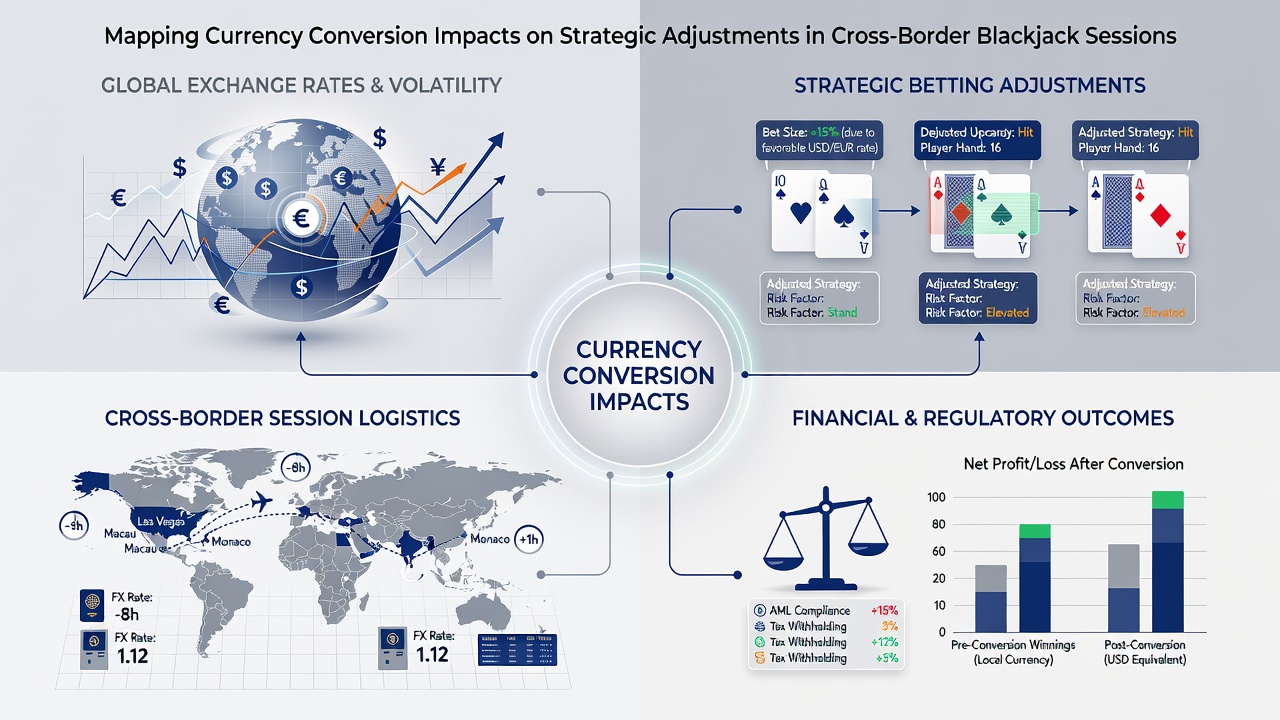
Experienced participants frequently maintain parallel ledgers denominated in each currency they regularly encounter. This segmentation allows clearer tracking of performance without repeated conversion noise. Figures released by the Australian Gambling Research Centre in August 2026 showed that players who segmented bankrolls by currency achieved 11 percent higher session survival rates compared with those who converted everything back to a single reference currency after every hand.
Hedging instruments remain rare in retail play, yet forward contracts and multi-currency accounts offered by certain fintech providers now appear in player forums. These tools lock in rates for future withdrawals, effectively converting expected winnings into the home currency before volatility can erode gains. Adoption rates remain low, but early data suggest measurable stabilization of net returns for high-volume participants.
Platform-Level Responses and Player Tools
Software providers have begun embedding live exchange-rate widgets directly into lobby interfaces. These displays allow a quick glance at the effective unit value before committing chips. Regulatory filings from several European operators indicate that such transparency features correlate with reduced customer support queries about unexpected balance differences.
Some sites also offer the option to lock a session's currency at the moment of first deposit, shielding the entire session from subsequent rate drift. Others permit mid-session switches, which introduces additional conversion events and associated fees. Players who review the fee schedule before selecting either option avoid hidden costs that erode strategy edges over time.
Conclusion
Currency conversion effects now form a documented variable within cross-border blackjack analysis. Tracking rate movements, segmenting bankrolls, and recalibrating bet spreads according to live data allow participants to maintain intended risk parameters despite fluctuating exchange values. Ongoing collection of session-level data across multiple jurisdictions continues to refine the models that map these impacts with increasing precision.