Interface Nuances Reshaping Split and Double-Down Choices in Portable Blackjack Applications
Frankie Bennett · May 31, 2026
Interface Nuances Reshaping Split and Double-Down Choices in Portable Blackjack Applications
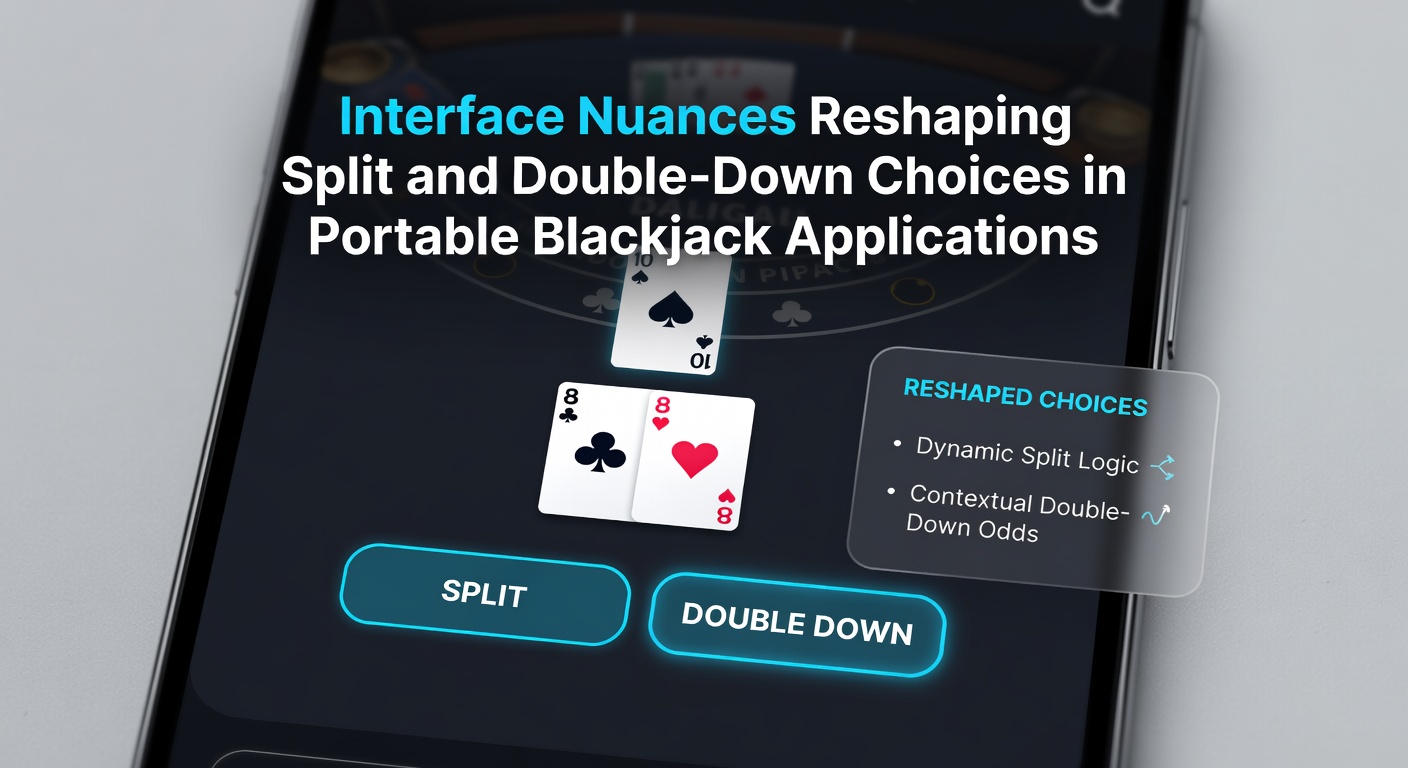
Portable blackjack applications have introduced interface elements that directly influence how players approach split and double-down decisions during sessions. Screen dimensions, touch targets, and gesture controls create conditions where traditional strategy adjustments occur more frequently than in desktop environments. Data from mobile gaming platforms indicates that placement of action buttons near the bottom edge of the display correlates with higher rates of aggressive plays such as splitting pairs or doubling on soft totals.
Designers position interactive zones to accommodate thumb reach patterns common among one-handed users, and this layout reduces hesitation time before committing to a double-down. Applications developed for iOS and Android devices incorporate swipe gestures that bypass menu layers, allowing immediate confirmation of splits without navigating separate confirmation screens. Observers note that such shortcuts alter the pace at which players execute decisions compared to platforms requiring multiple taps.
Button Placement and Decision Speed
Research on mobile interface ergonomics shows that buttons sized between 48 and 60 pixels in height receive more consistent activation rates during rapid play sequences. When split and double-down controls occupy the same horizontal band as hit and stand options, players execute combined actions in fewer seconds, which changes the frequency of multi-card draws following an initial double. Developers adjust spacing between these controls to prevent accidental selections, yet the proximity still shapes instinctive choices under time pressure from automated dealer animations.
Applications released in early 2025 introduced dynamic button resizing that expands touch areas based on detected hand position, and usage logs reveal increased doubling frequency on hands valued at 10 or 11 when this feature activates. The adjustment responds to accelerometer input that identifies device orientation, ensuring controls remain accessible whether the phone rests on a surface or is held vertically.
Visual Feedback and Risk Assessment
Color-coded highlights and subtle animations provide immediate cues about expected value shifts after a split or double-down selection. Green borders around recommended actions appear when basic strategy charts align with current hand composition, while amber pulses signal situations where deviation might occur due to table rules. Players respond to these indicators by altering their selection patterns within the first few hands of a session, according to aggregated telemetry from several major operators.
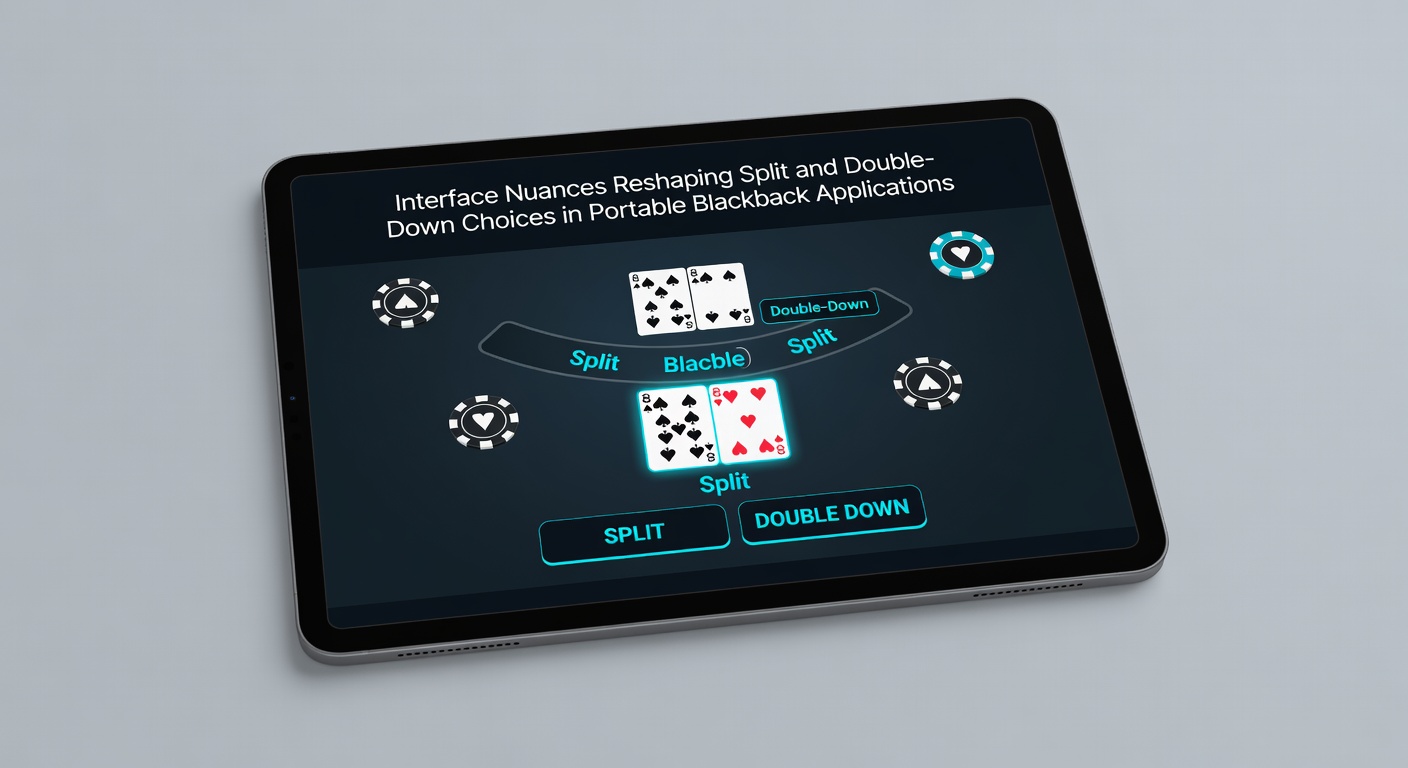
Continuous shuffle machine integrations in live dealer sections of portable apps further modify these dynamics because card reveal timing differs from static decks. Interface overlays display running counts alongside action buttons, and users who keep these overlays visible adjust split decisions on pairs of 8s or 9s more often when the count favors such moves. A report from the Nevada Gaming Control Board documented similar shifts in behavior among mobile users compared with land-based observations from earlier years.
Regulatory Context and Platform Adaptations
Updates scheduled for May 2026 introduce new requirements for transparent disclosure of autoplay settings within blackjack applications, which indirectly affects how often players review split and double options before committing. Platforms must now display rule variations in persistent side panels rather than collapsible menus, giving users clearer access to information that informs doubling thresholds on soft 17 through 19. Industry groups such as the International Association of Gaming Regulators have compiled preliminary guidelines encouraging standardized iconography for these functions across jurisdictions.
Academic studies from institutions in Canada and Australia have examined how reduced screen real estate influences adherence to composition-dependent strategies. Findings indicate that players using devices under 6 inches diagonally deviate from optimal splits at higher rates when confirmation dialogs occupy more than 30 percent of the viewport. Developers address this constraint by offering compact strategy reference cards that overlay the main table without blocking critical controls.
Gesture Controls and Accessibility Features
Voice command integration appears in select applications, permitting spoken instructions to split or double without physical contact. Early adoption data collected by the Australian Communications and Media Authority suggests this option sees limited use during standard sessions yet provides measurable accessibility benefits for users with motor impairments. The feature bypasses visual scanning of button layouts entirely, which removes one layer of interface friction that traditionally delays decision execution.
Multi-touch support allows simultaneous selection of paired cards for splitting while adjusting bet amounts through pinch gestures, and this capability has been documented in patents filed with the United States Patent and Trademark Office. Implementation varies by developer, yet consistent patterns emerge where experienced users complete these sequences faster than novices who rely on sequential taps.
Conclusion
Interface refinements in portable blackjack applications continue to modify the practical application of split and double-down choices through spatial design, feedback mechanisms, and input methods. Platform updates scheduled around May 2026 will likely accelerate these trends as accessibility mandates and display standards evolve. Observers tracking usage metrics across regions report sustained differences in action frequency between mobile and non-mobile environments, underscoring the role that digital layout plays in shaping gameplay patterns.