Mapping Changes in Side Bet Structures on Recent Gaming Platform Releases
Frankie Bennett · Jul 12, 2026
Mapping Changes in Side Bet Structures on Recent Gaming Platform Releases
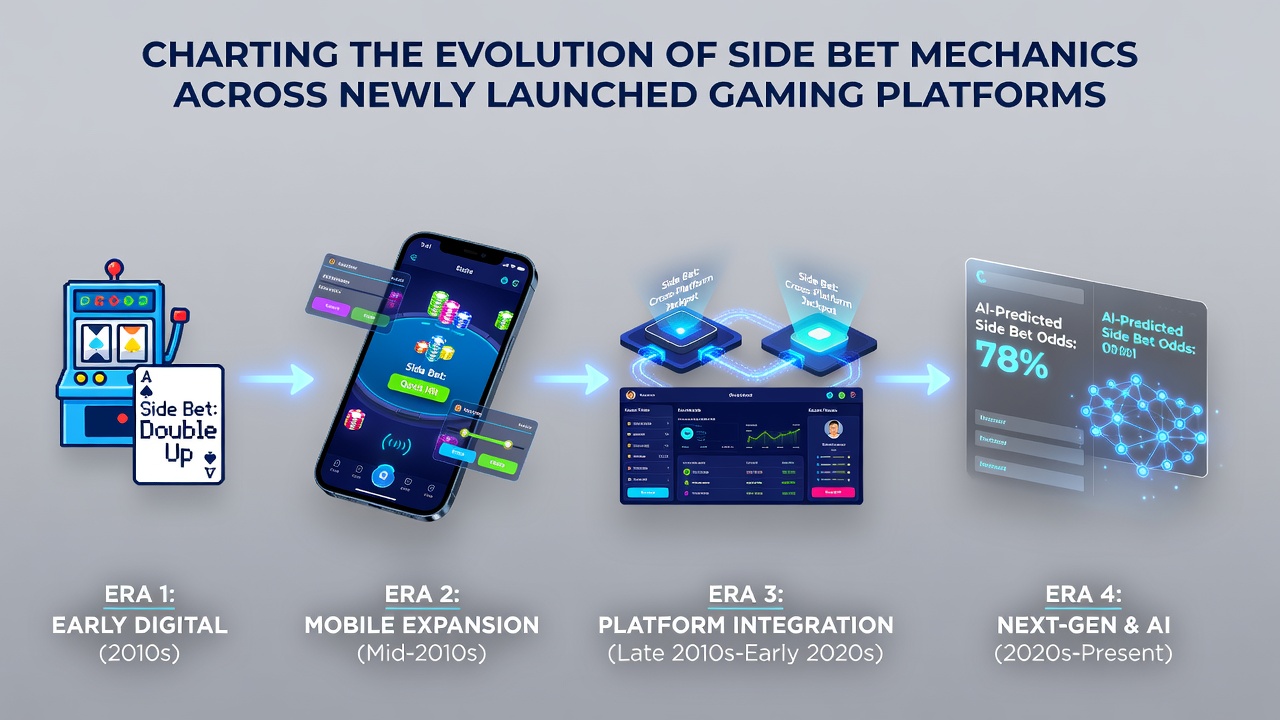
Side bet mechanics have shifted noticeably as operators introduce fresh platforms that blend traditional table games with digital enhancements, and data from industry reports shows these additions often tie into real-time analytics and player tracking systems. Early versions relied on fixed odds for options like insurance or pair bets, yet newer releases incorporate variable multipliers that adjust based on game progression and external factors such as bet volume across connected tables.
Early Foundations in Side Bet Design
Traditional side bets emerged in land-based settings during the mid-20th century, where they provided simple payout structures alongside core games like blackjack, and researchers at gaming studies programs documented how these features generated additional revenue streams without altering primary rules. Platforms launched in the 2010s began experimenting with digital overlays that allowed side bets to trigger bonus rounds, while maintaining the core mechanic of separate wagers on specific card combinations or outcomes.
Those who track platform updates note that integration with random number generators became standard by 2018, which enabled side bets to draw from broader data pools including historical round results, and this change expanded possibilities for progressive elements that accumulate across sessions rather than resetting after each hand.
Integration with Live Dealer and Mobile Systems
Newer platforms combine side bets with live dealer feeds through synchronized interfaces that update odds dynamically, and evidence from platform analytics indicates these features increase session duration when players engage multiple bet types simultaneously. Mobile-optimized releases in 2024 and 2025 introduced gesture-based side bet placement that reduces steps between decisions, whereas earlier desktop versions required menu navigation for each wager.
Observers point to case examples where operators added community side bets that pool contributions from multiple players at virtual tables, creating shared payout pools that distribute according to participation levels, and this approach mirrors mechanics seen in certain tournament formats without overlapping standard progressive jackpot systems.
Advances in July 2026 Platform Launches
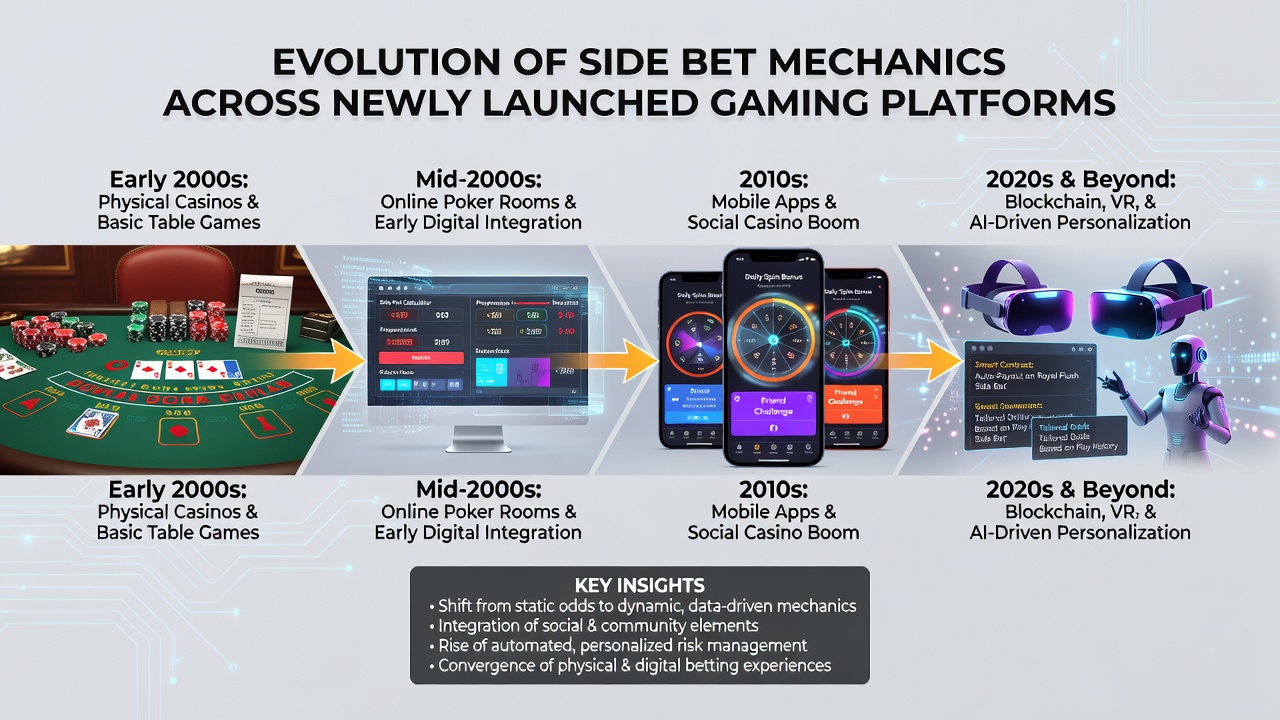
Releases scheduled around July 2026 introduce AI-assisted side bet suggestions that analyze current table conditions and player history to propose options, according to announcements from several development teams. These systems connect to regulatory databases in multiple jurisdictions to ensure compliance with varying payout transparency requirements, while allowing operators to customize available bets per region.
Data from cross-platform comparisons reveals that side bets on these new environments often feature hybrid structures blending fixed and variable elements, such as base payouts that scale with total table activity, and this design draws from earlier experiments in Asian markets where high-volume betting environments tested similar mechanics first.
Technical and Regulatory Influences
Platform developers incorporate blockchain elements for verifiable side bet outcomes in select releases, which provides an audit trail for each wager and result, and reports from the Nevada Gaming Control Board highlight how such transparency features align with testing standards applied to new game approvals. Meanwhile European operators reference guidelines from the Malta Gaming Authority when implementing side bet logging that records every adjustment in real time.
Academic reviews of gaming technology, including papers from university research centers, document how these technical layers reduce disputes by allowing instant verification, whereas previous generations depended on manual review processes that extended resolution times. Operators who adopt unified APIs across multiple platforms enable side bets to transfer between game types, such as moving a wager from a blackjack table to a roulette wheel within the same session.
Future Patterns in Side Bet Mechanics
Current trends point toward deeper personalization where side bet availability adjusts according to individual account settings and jurisdictional rules, and industry tracking shows this customization correlates with higher retention metrics across tested user groups. Platforms continue to layer in social components that let players share side bet results in real time through integrated chat or leaderboards, extending engagement beyond individual play sessions.
Those monitoring regulatory updates across regions note that approval processes now routinely examine side bet volatility alongside base game metrics, which ensures balanced risk distribution and prevents over-reliance on any single feature for revenue generation. This evolution reflects broader shifts in how digital environments handle auxiliary wagers while preserving core gameplay integrity.
Conclusion
Side bet mechanics on newly launched platforms demonstrate steady adaptation through technical integration and regulatory alignment, with patterns emerging from data collected across multiple markets. Continued development in these areas builds on established foundations while introducing features that respond to platform capabilities and oversight requirements.