Tracking Decision Shifts in Marathon Blackjack Play at Licensed British Platforms
Nils Klein · Jul 15, 2026
Tracking Decision Shifts in Marathon Blackjack Play at Licensed British Platforms
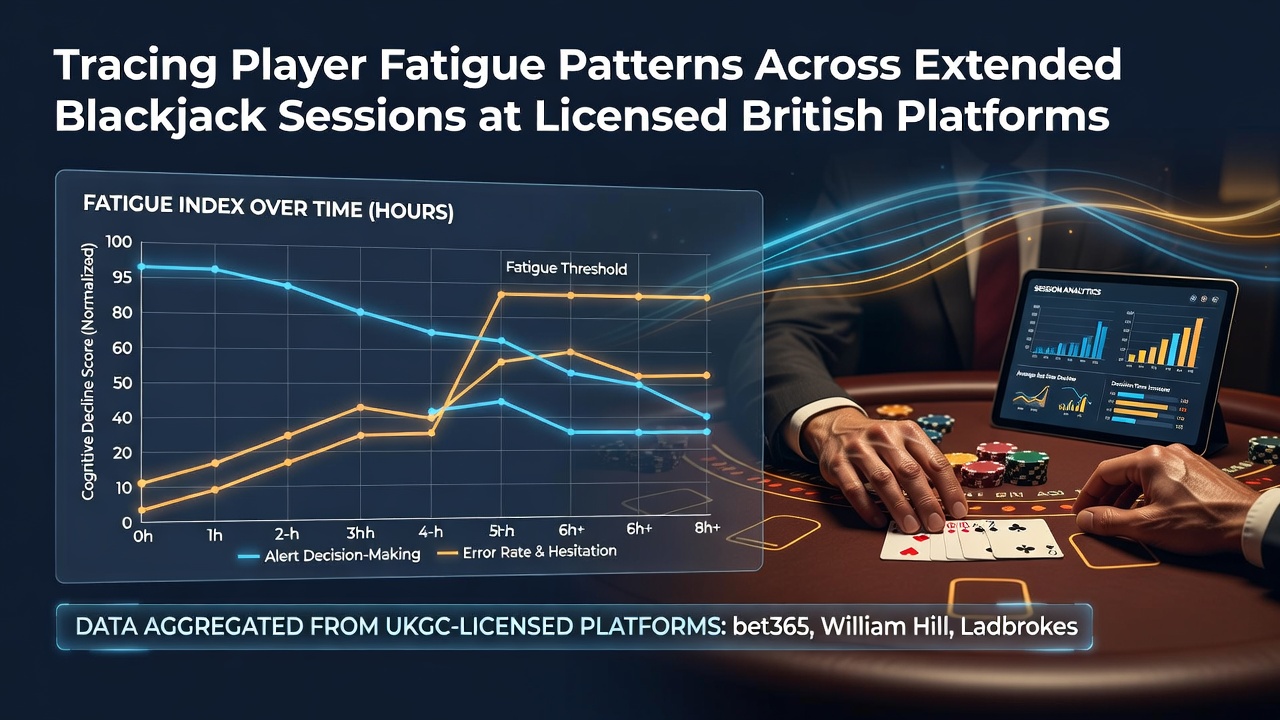
Extended blackjack sessions at licensed British platforms show measurable changes in player decision patterns as time progresses, according to aggregated platform data and independent research reports. Observers note that initial rounds often feature consistent adherence to basic strategy charts while later hands demonstrate increased deviations such as frequent hit calls on stiff hands or premature stands on strong totals. These shifts emerge gradually rather than abruptly and researchers connect them to cumulative effects of sustained concentration demands during play.
Platform analytics from multiple operators reveal that average session durations stretch beyond four hours for a notable segment of active users, with peak activity clustering between evening hours and midnight. Data collected across 2025 and into mid-2026 indicates that error rates in optimal play climb steadily after the 120-minute mark, reaching peaks near the three-hour threshold before some players exhibit stabilization or abrupt session termination. Such patterns align with broader findings on sustained cognitive load in repetitive decision environments.
Core Elements of Fatigue Observation
Researchers apply several indicators when tracing fatigue across blackjack sessions. Reaction time between decisions lengthens measurably, bet sizing becomes less varied, and players display higher frequencies of insurance wagers or side bet activations even when basic strategy recommends otherwise. Studies from the University of Nevada Reno's gaming research division highlight similar timing delays and strategy drift in controlled card game experiments conducted over multi-hour periods.
Heart rate variability and eye-tracking metrics captured in laboratory simulations further support these observations, showing reduced alertness markers that correspond with rising deviation counts. One analysis of Australian online gambling datasets found parallel increases in suboptimal plays after prolonged continuous engagement, suggesting the pattern transcends specific regional platforms. British operators integrate session timers and voluntary break prompts that appear at standardized intervals to address these documented trends.
Data Collection Approaches Across Platforms
Licensed sites employ backend logging systems that record hand outcomes, decision timestamps, and bet adjustments without storing personally identifiable information beyond regulatory requirements. These logs feed into anonymized reports shared with academic partners for pattern analysis. In July 2026 several European research consortia released comparative findings drawn from aggregated logs across multiple jurisdictions, confirming that fatigue signatures appear consistently once sessions exceed 150 hands regardless of stake level.
Independent audits cross-reference these internal metrics against player self-reports collected through optional post-session surveys. The resulting datasets allow statisticians to isolate variables such as table speed, side bet frequency, and consecutive session days. Findings indicate that players returning within 24 hours of a prior long session display accelerated fatigue onset compared with those spacing play across multiple days.
Behavioral Markers and Platform Responses
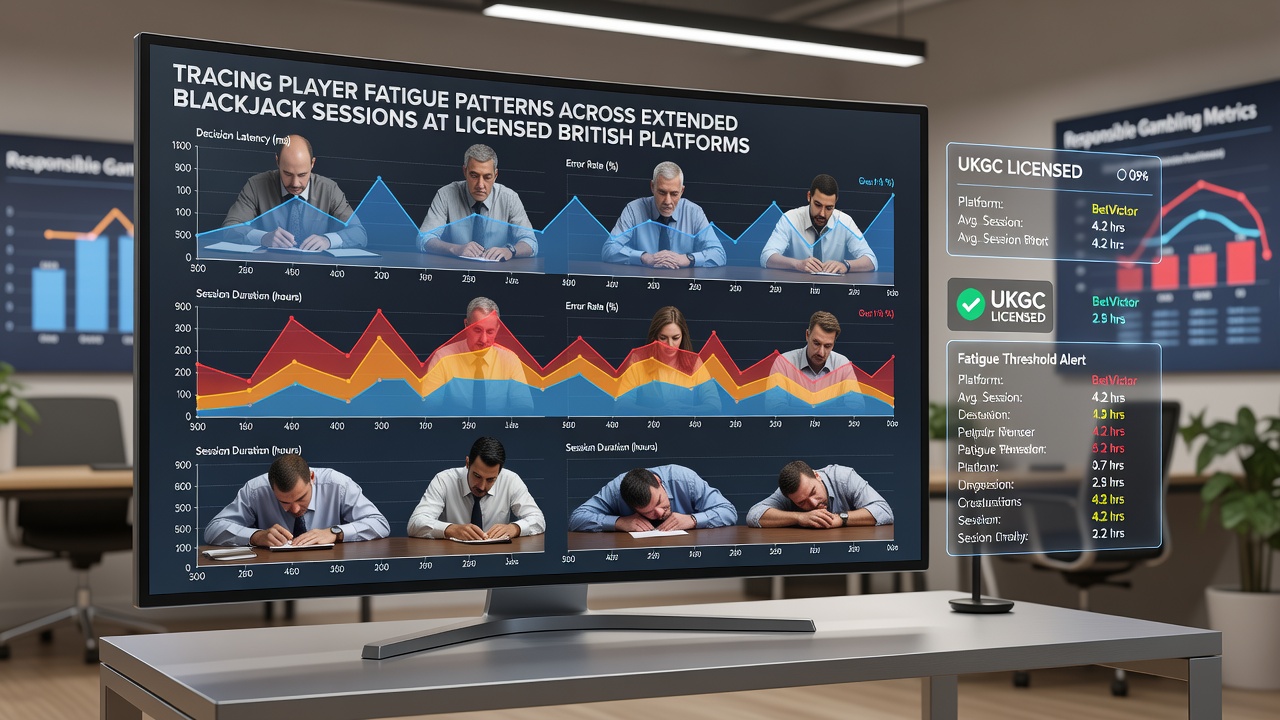
Behavioral markers surface in several recognizable sequences. Early session play maintains tight adherence to published strategy tables while mid-session phases introduce pauses followed by rapid successive decisions that bypass optimal lines. Late phases often feature increased use of autoplay features when available or repeated minimum bet placements that reduce overall engagement intensity.
Platform teams respond by deploying real-time nudges that suggest hydration reminders or short pauses once cumulative hands reach predetermined thresholds. These interventions draw from evidence compiled by the Canadian Centre on Substance Use and Addiction, which examined repetitive gaming formats and identified measurable performance decrements after sustained continuous play. The interventions remain optional yet show correlation with reduced deviation rates in subsequent hands when players accept the prompts.
Comparative Insights from International Studies
Comparative work conducted by the Netherlands Institute for Mental Health and Addiction examined fatigue indicators across European online table game environments and noted that blackjack sessions produce steeper accuracy declines than slower-paced games such as roulette. The study attributed this difference to blackjack's higher decision density per minute. British platforms incorporate similar comparative benchmarks when calibrating responsible gaming tools for their blackjack offerings.
Session length distributions also vary by device type, with mobile users recording shorter average durations yet higher per-minute decision counts that accelerate fatigue markers. Desktop sessions extend longer on average but feature more frequent pauses for external activities. Both formats demonstrate the same underlying progression toward elevated error rates once total exposure time surpasses established thresholds.
Conclusion
Platform operators continue refining detection algorithms that flag emerging fatigue patterns while maintaining strict separation between operational data and individual player identities. Ongoing collaboration with academic institutions supplies updated benchmarks that reflect evolving game variants and interface changes. These efforts rely on transparent reporting structures and cross-jurisdictional data sharing to maintain consistency across licensed British environments.