UK Government Eyes Gambling Commission Fee Increases Through New DCMS Consultation
Ben Fischer · Mar 20, 2026

UK Government Eyes Gambling Commission Fee Increases Through New DCMS Consultation
The Launch of the Consultation in March 2026
Observers note how the UK Department for Culture, Media and Sport (DCMS) kicked off a key consultation this March 2026, targeting changes to Gambling Commission fees; the move aims to plug funding gaps driven by climbing operational costs alongside fresh regulatory burdens, particularly efforts to tackle the illegal gambling market. Licensed operators across the board—from online platforms to physical casinos—stand to feel the impact, since the Commission relies almost entirely on these fees for its operations, generating revenue through applications, annual fees, and compliance checks.
What's interesting here lies in the timing; with changes eyed for October 1, 2026, the consultation gives stakeholders a window to weigh in before decisions solidify, ensuring the regulator can sustain its work without dipping into taxpayer funds. Data from the consultation document reveals the Commission handled a surge in responsibilities lately, including heightened monitoring of illicit activities that siphon players away from regulated sites.
Why Fees Need a Boost: Rising Costs and Expanded Duties
The reality is straightforward: operational expenses have outpaced fee income, while new mandates demand more resources; experts point to inflation, staff salaries, and tech upgrades as culprits eating into budgets, but the big push comes from disrupting illegal gambling networks that undermine the licensed sector. According to figures in the Deadline News coverage, this shortfall hits around £8.7 million extra needed annually under one scenario, prompting DCMS to propose structured increases rather than ad-hoc fixes.
And it's not just maintenance; the Commission now shoulders duties like enhanced intelligence sharing with law enforcement, proactive market surveillance using data analytics, and cracking down on offshore operators targeting UK punters illegally. Those who've studied the landscape know illegal gambling erodes trust in the regulated industry, costing legitimate businesses billions in lost revenue while exposing players to risks like unfair odds or data breaches.
Take the hybrid approach favored in the proposals: it earmarks extra funds specifically for anti-illegal measures, ensuring money goes where the heat is fiercest; this ringfencing appeals because it ties fees directly to high-priority threats, although general hikes cover everyday ops like licensing reviews and consumer protections.
Breaking Down the Three Fee Increase Options
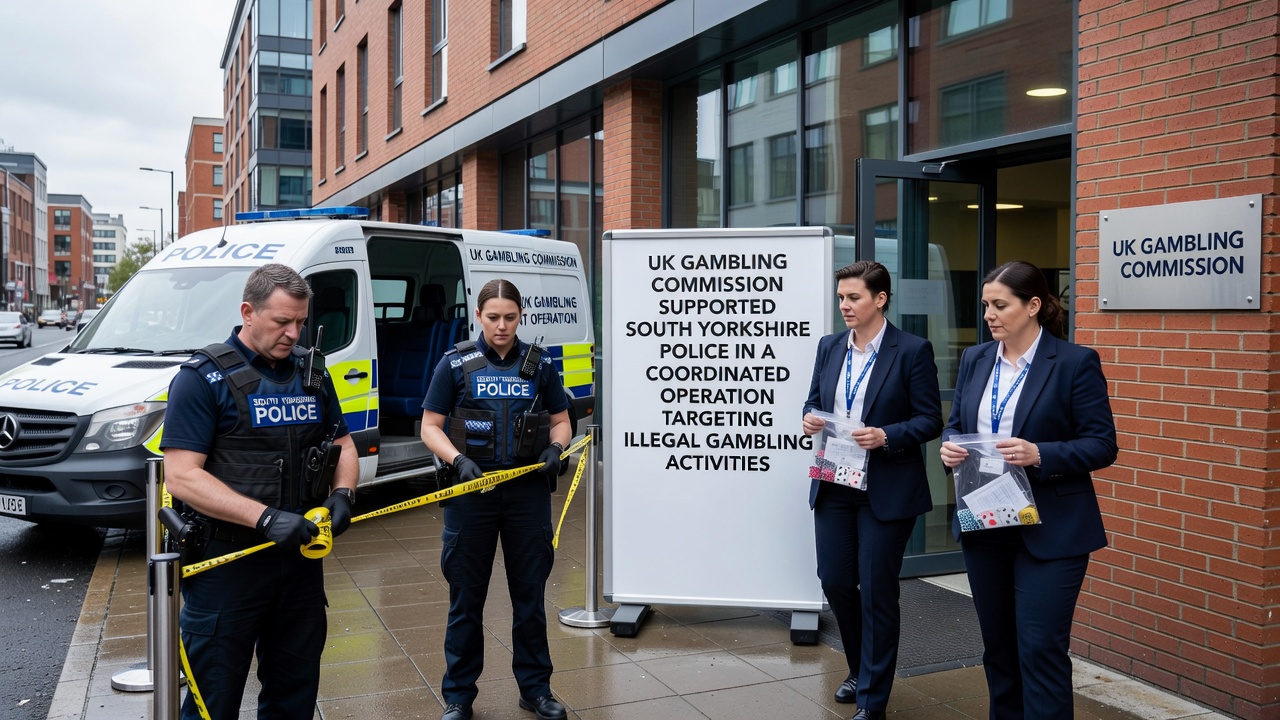
Three clear paths forward emerge from the consultation paper, each calculated to deliver sustainable funding without overwhelming operators; option one proposes a flat 30% average increase across the board, pulling in that £8.7 million surplus to match projected needs through 2029-30. Operators brace for this as a broad brush, hitting everyone from bingo halls to high-street bookies uniformly based on gross gambling yield thresholds.
But here's the thing with option two: a simpler 20% general uplift, which tempers the rise yet still shores up core functions like audit teams and helplines; studies of past adjustments show such increments keep pace with CPI inflation plus a bit more for growth. Then comes the preferred hybrid—20% baseline plus a 10% ringfenced levy dedicated solely to illegal market disruption; this splits the load smartly, with the extra 10% funneled into specialist units tracking crypto-based illicit sites or proxy betting rings.
- Option 1: 30% average hike (£8.7m extra revenue)
- Option 2: 20% across-the-board increase
- Hybrid (preferred): 20% general + 10% for illegal ops
Each tier affects fees differently depending on operator size; smaller outfits with lower yields see proportional bumps, while giants like those running casino chains or sportsbooks shoulder larger absolute amounts, since fees scale with activity levels. The writing's on the wall for casinos specifically: land-based venues already navigating post-pandemic recoveries now face these hikes on top of Licence Condition and Code of Practice compliance costs.
How Fees Work and Who Pays Them
Gambling Commission funding breaks down neatly into categories most operators know well: application fees for new licences, annual charges based on gross gambling yield bands (from under £550k up to over £1bn), and periodic compliance fees for audits or variations. Turns out 98% of the Commission's budget comes from these sources, leaving little wiggle room when costs climb 5-7% yearly due to everything from cyber defenses to staff training on affordability checks.
Casinos, both online and brick-and-mortar, fall under this umbrella; remote operators pay per category like slots or table games, whereas land-based ones tie fees to venue capacity and take. One case researchers highlight involves a mid-tier casino group recalibrating budgets after prior tweaks, discovering that even modest rises demand efficiency drives like streamlined KYC processes. And since the hybrid option ringsfences 10%, those funds zero in on threats like unlicensed apps mimicking legit sites, which data indicates lure 5-10% of UK gamblers annually.
Yet flexibility exists: the consultation invites feedback on banding tweaks or exemptions for low-risk sectors, although core hikes remain non-negotiable to avoid shortfalls. People in the industry often find that proactive responses—submitting detailed cost-benefit analyses—shape final policies more than silence does.
Timeline and Path to Implementation
Now the schedule unfolds predictably: consultation runs through early summer 2026, with responses due by a set deadline outlined in the DCMS paper; analysis follows, leading to a government response by autumn, and if approved, fees adjust October 1, 2026, aligning with fiscal cycles. This gives operators 18 months from launch to adapt, budgeting for hikes while eyeing potential offsets like streamlined digital reporting.
Experts who've tracked similar reforms recall how the 2019 fee adjustments funded safer gambling tools, yielding measurable drops in problem play rates; similar outcomes could emerge here, bolstering the case for operators to engage. It's noteworthy that DCMS emphasizes transparency, publishing impact assessments showing minimal inflationary pass-through to consumers under all options.
Stakeholder Engagement and Broader Implications
Stakeholders—from trade bodies like the Betting and Gaming Council to independent casinos—get called to submit views via the official portal; questions probe everything from fee fairness to alternative funding like voluntary levies, although fee-based remains the bedrock. Observers note how this process echoes past consultations on affordability checks or stake limits, where industry input refined rules without derailing goals.
For casinos, the stakes feel personal: higher fees could squeeze margins amid competitive pressures from sportsbooks, yet they fund protections that keep the market viable long-term. Data suggests regulated operators already outpace illicit ones in player retention by 30-40% thanks to trust factors, so beefed-up enforcement indirectly benefits licensees.
So while the ball's in operators' court to respond, the consultation underscores a simple truth: sustainable regulation demands shared costs, especially as illegal markets evolve with tech like blockchain anonymity.
Conclusion
This DCMS consultation marks a pivotal moment for UK gambling oversight, balancing fiscal realities with frontline defenses against illicit threats; with options ranging from a 30% hike to the nuanced hybrid, the path forward hinges on collective input by mid-2026, paving the way for fee changes come October. Licensed operators, casinos included, navigate these proposals knowing the Commission's fee-driven model underpins a safer, fairer industry—one where rising duties demand corresponding support. Those engaging now help shape a framework that endures, ensuring resources match the challenges ahead.